Here at Campsters’ Paradise, we want camping to be for everyone. However, we have found the industry to be a bit difficult to penetrate for beginners – where do you begin? Well, the answer is here. This tent buying guide will hopefully give you exactly what you need to buy yourself a new tent – or at least help you to narrow down your search.
So let’s go through all of the major questions that you’ll need to answer in order for you to find your ideal tent for your next camping trip with our tent buying tips.
Tent Sizes
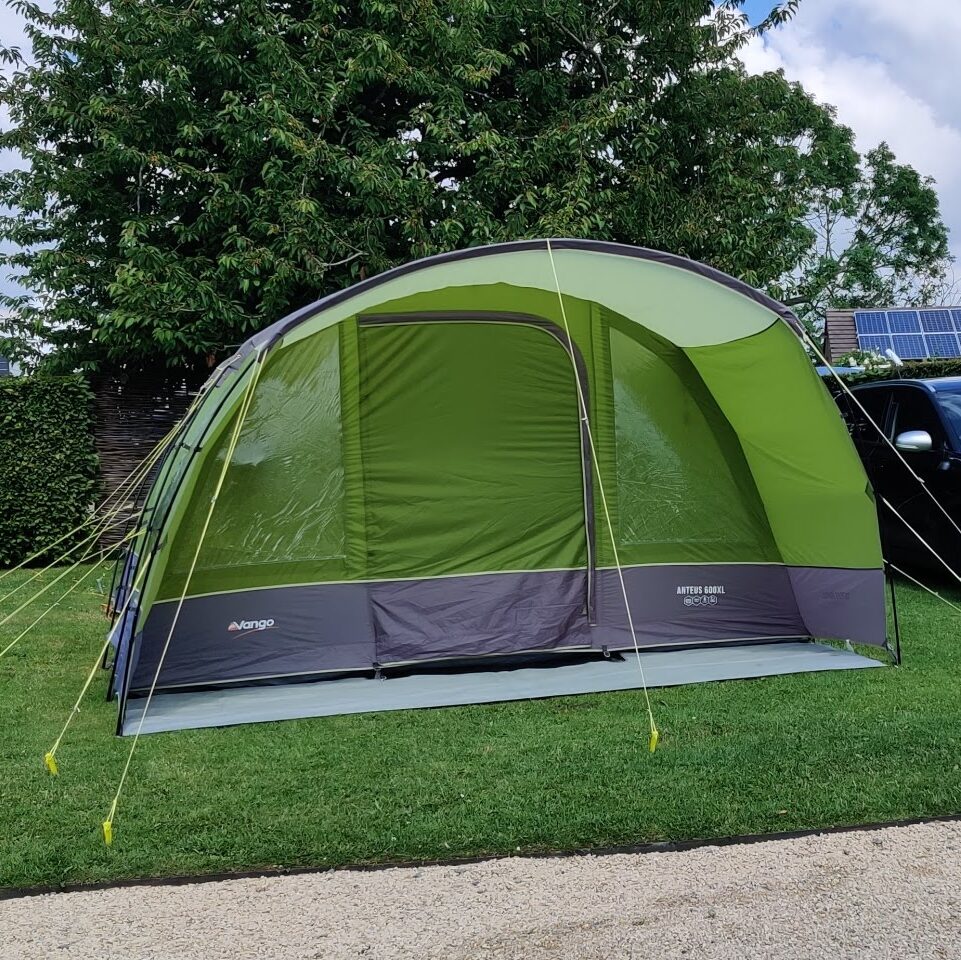
First things first – how big do you need your tent to be? Our first bit of advice is to be careful when looking at how many ‘person’ your tent is. This is basically a guide as to how many sleeping bags you can fit in there! It doesn’t really account for storing luggage, extended living space, areas where you can store your wet gear – you get the idea. If you are using your tent purely to sleep in, then that’s fine, but most campsite tents will need to have a fair amount of living space as well as sleeping space, in order for you to have a comfortable trip.
However, if you are going to be moving around a lot, you’ll need to consider how heavy it is one packed up – backpacking tents tend to be lightweight tents, but with that you do lose a bit of space inside. Larger tents will be much heavier to carry, obviously.
Family tents will need to account for how big the family is – not just in terms of the number of the people, but how big the children are. If you have little ones, you might get away with a smaller tent for now – but do you want to future proof it for when they get bigger? Also, consider whether you are going to be using an airbed, as these tend to take up more space.
Different Types Of Tent
Now, this is where beginners start to feel overwhelmed. I know this because I was in the same boat when I bought my first tent. So let’s have a quick run through of the various options:
Family Tents
Family tents are basically just large tents – big enough to fit a family in, surprisingly enough! While they will vary from tent to tent, you’ll generally find that they have two entrances, separate sleeping and living spaces in the inner tent, plenty of storage pockets and, more often than not, a large porch attached.
Backpacking Tents
As we touched on above, backpacking tents will likely be a lightweight tent, usually small enough to attach to your rucksack. Usually semi geodesic tents, or tunnel tents, in terms of shape, which allows for the best protection against the elements.
Pop Up Tents
If the idea of pitching a tent makes you feel anxious, then a pop up tent is for you! They aren’t the most structurally sound tents, so best used for festivals or keeping the kids happy in the garden. I’ve seen some people take one with them for their dog to sleep in!
Car Camping Tents
Car camping tents are made to incorporate your car into your tent. It basically convert your car into a camper van, but they can be quite expensive, and you need to make sure you get the right fit. The upside, though is that you get generous living space and everyone else on the campsite looks at you as if you know what you’re doing!
Festival Tents
Here the word ‘festival’ is code for ‘cheap’… This is a tent that you want to use for a weekend to sleep in and store your stuff. You don’t need tons of living space, just enough to keep your muddy gear away from your sleeping bag!
Tent Prices
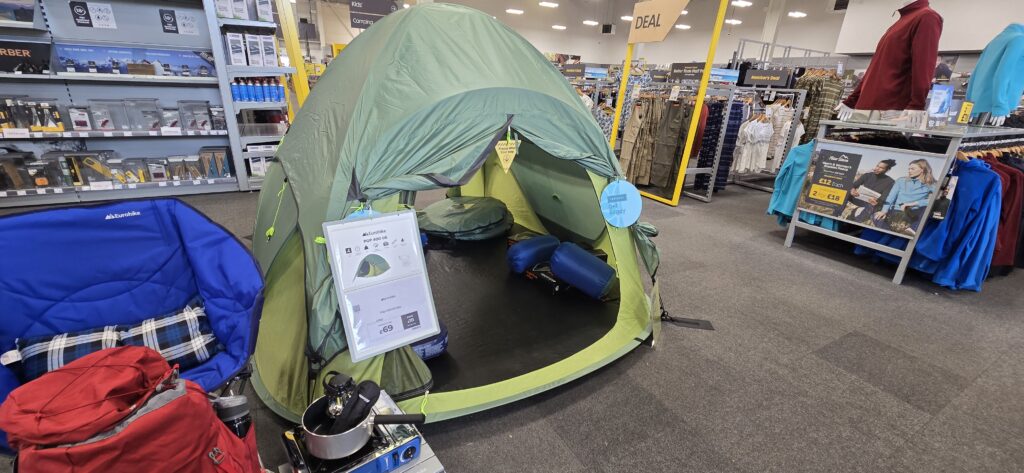
Ultimately, a huge factor in your decision is going to be the price. The main question you are going to need to ask yourself is, how much are you going to use this tent? If it is a lot, it really is worth spending a little but extra money for more comfort and convenience.
At the same time, though, if you think you will just use it for the odd weekend, you can pick up a cheap tent that will do the job. What is your budget?
Different Tent Designs
Still with me? Good. On top of the different types of tent, there are different designs. When buying a tent, have a think about which of these would best suit your needs.
Tunnel Tents
A tunnel tent is usually a smaller tent that is quick and easy to pitch, with separate living and sleeping areas. As the name suggests, they are longer, lower and narrower than other tents.
Dome Tents
A dome tent is one that has a rounded top, which makes it easy to set up. Dome tents are good for areas with high wind, due to their shape, but you do lose a bit of headroom at the sides.
Geodesic Tents
Geodesic, or semi geodesic, tents have tent poles that crisscross at various points, which makes them incredibly robust – particularly in extreme weather. They are best for backpacking tents.
Bell Tents
A bell tent is a bit like a yurt – very roomy inside and therefore perfect for larger groups and families. They take a while to erect, though, so best for trips where you are going to stay in the same place for a while.
Types of Tent Poles
Next up – what do you want holding your tent up? The tent poles these days are much easier to erect than in years gone by, but there are pros and cons to the various different types:
Fiberglass Poles
Most tents will have fiberglass tent poles – they are flexible, relatively sturdy and easy to fit together (they will be attached with elastic to keep them all together). These are the standard tent poles that you’ll find in most tunnel and dome tents.
Steel Poles
These are much heavier, and therefore more durable, than fiberglass poles. They are great for larger tents that may require a bit of extra stability – perhaps in bad weather or when winter camping. You wouldn’t want to be carrying them very far though.
Inflatable Tents
Inflatable tents, or air tents, don’t have any poles at all. They have internal beams which you inflate with a pump (which will usually come with the tent). They are easy to erect, and just as sturdy as tents with poles – but they tend to be much more expensive.
Tent Floor
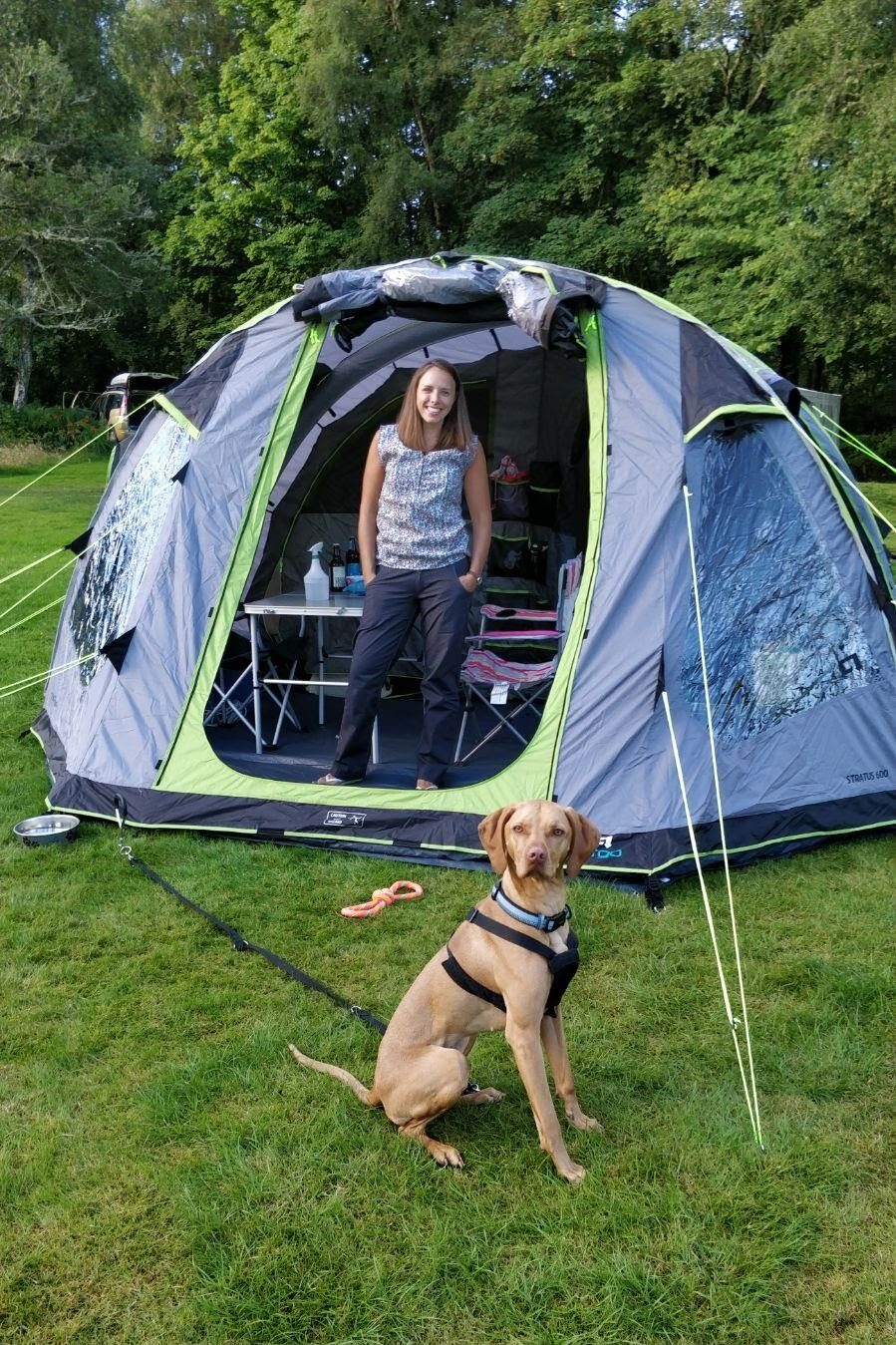
Most tents will have a sewn in groundsheet, with bell tents being the main exception to that rule. However, even if you have a sewn in groundsheet, you may want to consider something else when buying a tent to ensure a comfortable trip.
Tent Footprint
Tent footprints are basically a groundsheet protector that is made specifically to fit your tent. This basically offers you an extra layer of protection against the cold and damp of the ground. While not absolutely necessary, a tent footprint can help to make your tent last longer and make the inner tent a bit more comfortable.
Tent Carpet
A tent carpet is similar, just adding an extra layer of comfort to your camping experience. They can help even out any lumps on the ground under your tent, as well as adding an extra layer of insulation to the inner tent.
Do you need a Tent Porch?
When tent shopping, you might want to consider whether you need a porch (or awning) for your tent. They can be a great way to get some extra space for you to relax in – especially if you have a family tent and your children will be going to sleep early. It’s nice to have your own space to enjoy a drink as the sun sets.
Porches come in all shapes and sizes, whether you have a dome tent or a tunnel tent, no matter how big it is. They are great for tall campers who have a smaller tent, as they offer a bit of extra headroom, without having to have a much bigger tent.
One word of warning though – some campsites charge extra for awnings, so check before you set off so you know what to expect. Also, they are more work to set up, so it might be just too much hassle for weekend campers.
Other Tent Accessories to consider
This industry is full of products – some tent accessories are brilliant, some are a waste of time. Some will be included with your tent, some you may need to buy on top. Here are a few that we think will help to make your camping trip a success:
Spare Tent Pegs
You can’t have too many! There is nothing worse then bending one, or losing one, and not quite having enough, so make sure you take plenty. They are cheap and can save you an almighty headache.
Windbreaks
As well as protecting you from bad weather, windbreaks can also offer you and your family more privacy.
A decent Mallet
You can never predict what the ground will be like when you set up to pitch your tent, and a mallet will make your life much easier.
Spare Tent Poles
Like the pegs, you don’t want to break one and find that your tent is on the wonk! They don’t take up much space, so make sure you have spares.
Guy Lines
You probably won’t need guy lines on most camping trips, but they can help to prevent condensation, leaks and help to keep them tense in the wind (and prevent noisy flapping). Even freestanding tents would benefit from guy lines – and if you don’t end up using them on your tent, use them as a makeshift washing line to dry wet clothes.
We hope this tent buying guide has been useful – to find specific tents to suit your needs, now that you know what you are looking for, check the reviews of the many tents we have put to the test.